The end of MiCA’s transition period was predicted to mark the beginning of a more mature European crypto industry for all EU member states, and in many respects, it will —or at least, it should. Europe now has a regulatory framework capable of providing consumers with greater protection, institutions with more certainty and compliant digital asset businesses with a clearer foundation for operating across borders.
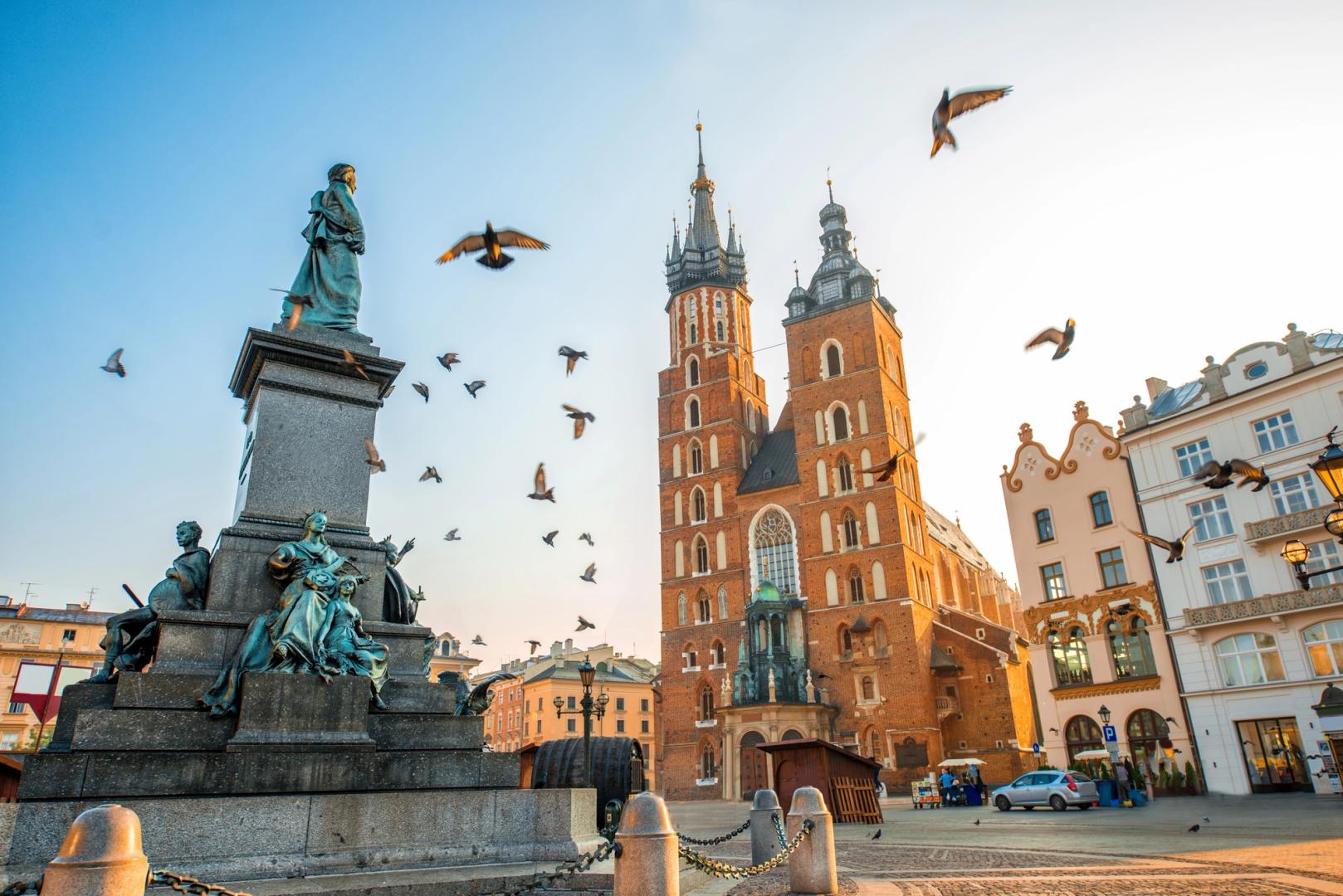
Yet regulation never happens in a vacuum, and the experience of the past 18 months has exposed a significant divide between European markets, creating a fragmented regulatory landscape. While most EU countries have been able to turn MiCA into an opportunity, Poland’s domestic crypto industry has been caught between a new European regulatory regime and a political bind to establish the domestic framework needed to support it.